Michigan Winter Garage Door Survival Guide: Prevent Frozen Doors & Broken Springs
Michigan winters cause 30% more garage door spring failures due to metal contraction, thickened lubricants, and daily temperature cycling. To get through a Detroit winter without a breakdown: apply cold-weather lubricant monthly, test door balance monthly, replace worn weatherstripping, keep tracks clear of ice and snow, and schedule fall maintenance before the cold hits.
Why Winters Break Garage Doors: The Science
Detroit's harsh winters create three primary failure modes for garage doors:
- Metal fatigue: Torsion springs and extension springs contract in cold temperatures, which increases stress on already-worn coils. The daily cycle of contracting and expanding, morning to evening across 120 days of winter, accelerates wear faster than any summer of use.
- Lubricant viscosity: Standard petroleum-based lubricant thickens below 32°F, which causes rollers and hinges to bind. That binding puts extra load on the springs every single cycle.
- Ice buildup: Ice forming in the tracks throws off alignment and creates resistance. Frozen weatherstripping adds even more drag the opener and springs have to fight through.
Cold-Weather Lubricant Guide
Not all lubricants work in Michigan winters. Use something rated for sub-freezing temperatures:
Recommended: Synthetic Grease
- Lithium-based lubricant rated to -20°F
- Synthetic grease stays fluid in cold, doesn't thicken
- Apply to roller bearings, hinges, and spring coils
- Reapply monthly during the winter months
Avoid: Petroleum-based lubricants and WD-40 in winter. Both thicken in cold weather and can make binding worse.
Monthly Balance Test
A properly balanced door puts less strain on the springs. Test yours once a month during winter:
- 1 Disconnect the opener using the manual release handle (red cord)
- 2 Lift the door by hand to about the halfway point
- 3 Let go. A balanced door stays in place.
- 4 If the door falls or rises, the spring tension needs professional adjustment
Warning: Do not attempt to adjust spring tension yourself. Call a professional if the balance test fails.
Weatherstripping Replacement
Worn weatherstripping lets cold air and moisture into the garage, which leads to frozen tracks and door panels that warp over time.
Replace the bottom seal and jamb seals if you notice any of these:
- Visible gaps between the door and frame
- Cold air coming in when the door is closed
- Ice forming on the track system inside the garage
- Heating costs that jumped without explanation
Professional weatherstripping replacement costs $150-300 and prevents much more expensive winter damage.
Fall Maintenance Checklist
Schedule professional maintenance in October or November, before the first hard freeze:
- Spring tension test: check torsion and extension spring condition
- Track alignment: verify vertical and horizontal tracks are plumb
- Roller inspection: replace worn nylon or steel rollers
- Weatherstripping: replace bottom seal and threshold seal
- Lubrication: apply cold-weather lubricant to all moving parts
- Opener testing: test auto-reverse mechanism and safety sensors
Related Services
313 Garage Door Team
Expert garage door technicians serving Metro Detroit since 2015. Licensed, insured, and committed to excellence.
Related Articles
Why Springs Break More in Detroit Winters
Understanding the science behind 30% more spring failures during Michigan winters and how to prevent them.
Garage Door Repair Cost in Detroit 2025
Complete pricing guide for garage door repairs in Detroit. Transparent costs for springs, openers, and panels.
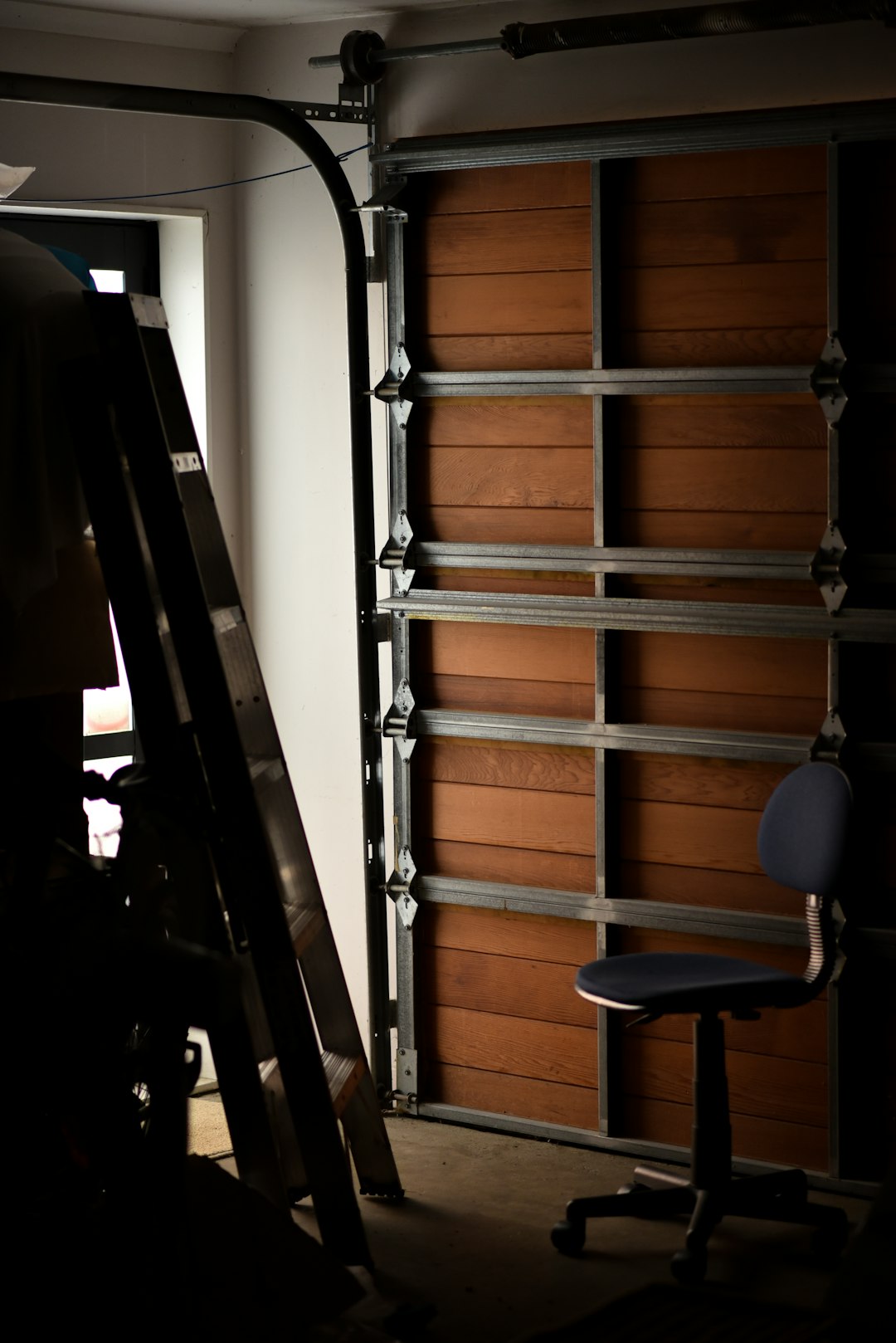
Spring Replacement Cost in Detroit
How much does spring replacement cost? Torsion vs extension springs, pricing breakdown, and what's included.